
A wild bear may spend decades learning where to find food, how to avoid danger and, for females, how to raise cubs. In places where trophy hunting is legal, that same animal can also become the target of a paid recreational hunt.
The debate is often presented as a simple fight between hunters and animal advocates. The evidence is more complicated. Hunting can provide revenue and is used as a wildlife-management tool in some jurisdictions, but those facts do not settle the ethical question—or prove that every trophy-hunting program benefits conservation.
What supporters mean by “conservation funding”
In the United States, hunters contribute to state wildlife programs through license fees and federal excise taxes on firearms, ammunition and archery equipment. The U.S. Fish and Wildlife Service says those payments have supported habitat and the recovery of both hunted and non-game species.
Elsewhere, trophy-hunting operators may pay governments, landholders or community conservancies for access and permits. International conservation guidance has recognized that tightly regulated use of wildlife can sometimes create incentives to maintain habitat and wildlife populations.

Canada, for example, describes black-bear harvest as a regulated system of seasons, management zones, licensing rules and bag limits. Its grizzly-bear documentation likewise describes an adaptive framework in jurisdictions where harvest is allowed, while noting that hunting is prohibited in some management areas.
Why critics remain unconvinced
A legal permit does not automatically make a hunt sustainable, well governed or ethically acceptable. Outcomes depend on reliable population data, conservative quotas, enforcement, which animals are selected and whether revenue actually reaches conservation work and local communities.
The United Kingdom’s government, while developing restrictions on imports from threatened species, cited evidence that poorly managed trophy hunting can harm population numbers, social structures, genetics and wider ecosystems. It also acknowledged that submissions to the policy process disagreed about the conservation effects.
That uncertainty is important. Removing a mature breeding animal can have consequences that are not captured by counting the fee paid for the hunt. At the same time, replacing hunting revenue requires credible alternatives for habitat protection, conflict prevention and community livelihoods—not slogans alone.
The ethical question cannot be priced away
Even if a particular program meets biological sustainability standards, many people still oppose killing a wild animal for recreation. Their objection is centered on the individual animal: a bear is a sentient being, not merely a population unit, permit or source of income.
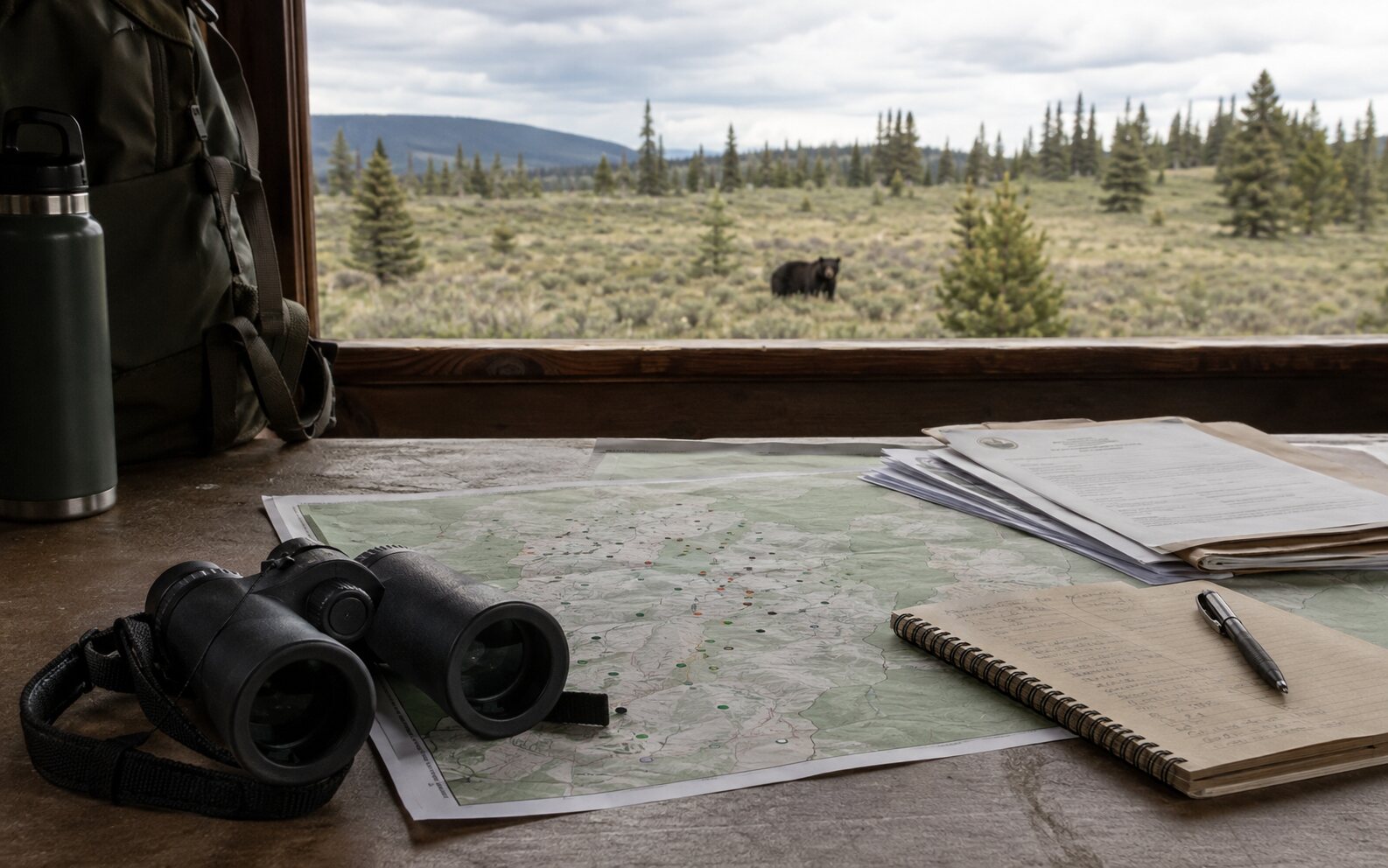
Supporters and opponents therefore answer different questions. Managers may ask whether a harvest level can be sustained. Communities may ask who receives the benefits and who bears the costs of living beside large predators. Animal advocates ask whether an individual bear should be killed for sport at all.
A serious conservation policy must address all three. It should publish population evidence, track the money, involve affected communities, protect vulnerable populations and compare hunting with non-lethal funding models such as wildlife tourism and public conservation investment.
Conservation is ultimately measured by living ecosystems and viable wildlife populations. Whether society should fund that work by selling the death of an individual animal remains a legitimate—and deeply moral—question.
Sources
- U.S. Fish and Wildlife Service: hunters and conservation funding
- Environment and Climate Change Canada: American black bear management
- Environment and Climate Change Canada: grizzly bear management
- UK government: trophy-hunting consultation evidence
- IUCN SSC: guiding principles on trophy hunting as a conservation tool
